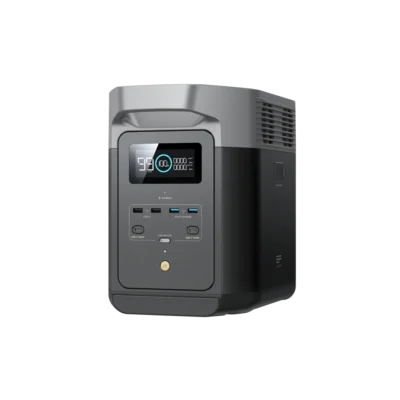
Output power
- Anker 757 PowerHouse
- 1500 W continuous AC output
- EcoFlow DELTA 3 Plus
- 1800 W continuous AC output

Power station comparison
Compare capacity, output, charging and portability.
01Selected 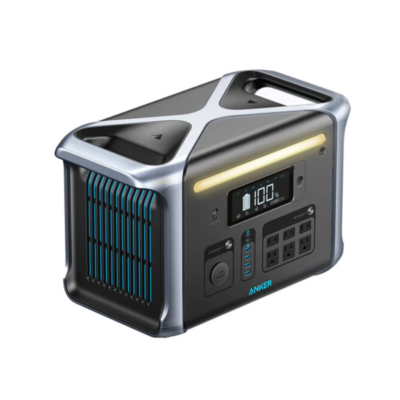 Anker 757 PowerHouse Portable Power Station
KSh 185,000Out of Stock | 02 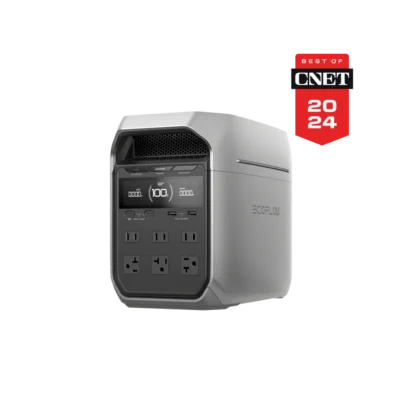 EcoFlow DELTA 3 Plus Portable Power Station
KSh 105,500In Stock |
|---|
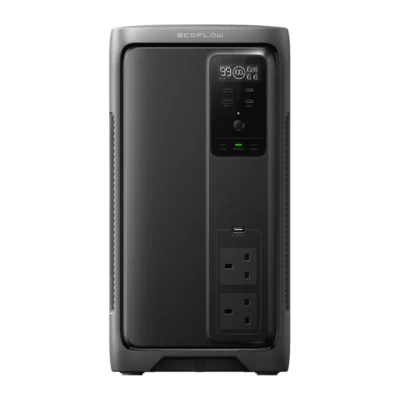
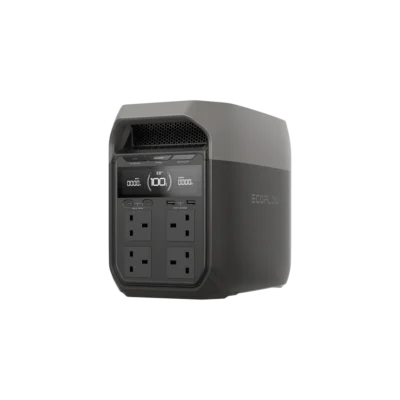
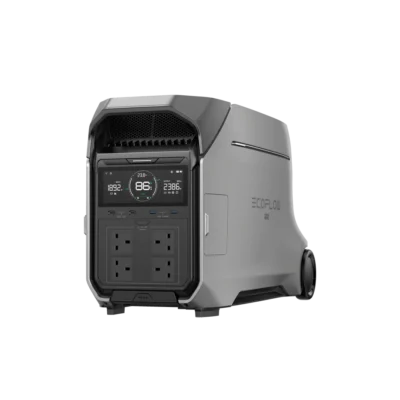
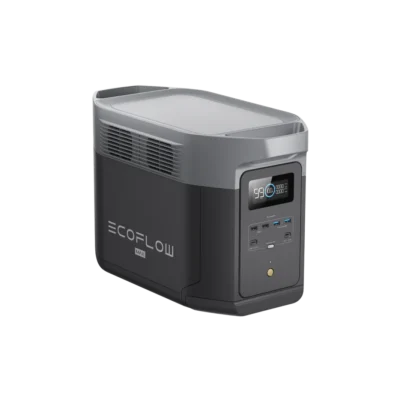
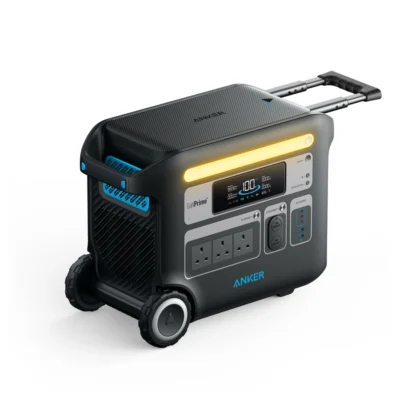
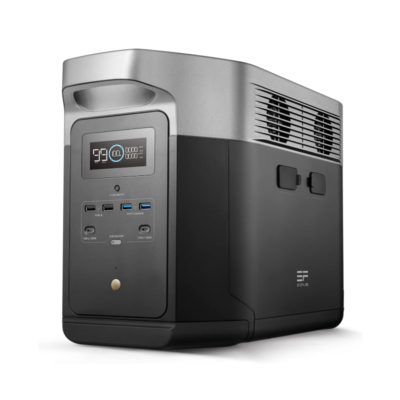
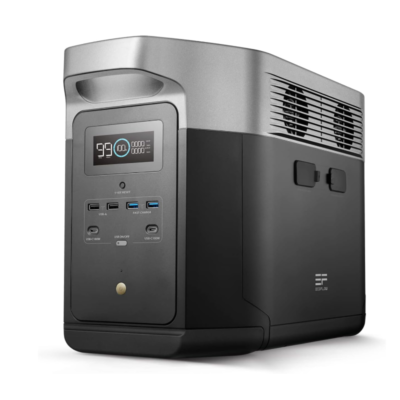
The EcoFlow DELTA 3 Plus has more output power (1,800 W continuous), a higher 3,600 W surge rating and faster mains recharging (1,500 W input), while the Anker 757 PowerHouse has a larger 1,229 Wh battery and more USB outputs (6).
The main differences to help you choose.
| Priority | Anker 757 PowerHouse | EcoFlow DELTA 3 Plus |
|---|---|---|
| Stored energy | 1229 Wh base battery capacity | 1024Wh |
| Output power | 1500 W continuous AC output | 1800 W continuous AC output |
| Charging | Input: 1000W maximum, recharge: 0–80% in 1 hour | Input: 1500W maximum, recharge: 0–100% in 56 minutes |
| Ports | 2× UK AC outlets, 1500W combined | 4× UK AC outlets, 1800W combined |
| Weight | 19.9 kg | About 12,500 g |
| Features | UPS: Yes, transfer time: 20ms | UPS: Yes, transfer time: <10ms |
Tick a topic above to see how each product answers it.
Explore the full specifications, section by section.
| Specification | Anker 757 PowerHouse Portable Power Station | EcoFlow DELTA 3 Plus Portable Power Station |
|---|---|---|
| Brand | Anker | EcoFlow |
| Specification | Anker 757 PowerHouse Portable Power Station | EcoFlow DELTA 3 Plus Portable Power Station |
|---|---|---|
| Brand / Model | Anker 757 PowerHouse (original UK version); A1770 | EcoFlow DELTA 3 Plus; EF-DL-H10-4 |
| Power Station Type | Portable / home-backup power station | Portable power station |
| Battery Capacity / Expansion | Base capacity: 1229Wh | Base capacity: 1024Wh Expansion: One compatible DELTA 2, DELTA 2 Max, DELTA 3 or DELTA Pro 3 extra battery; up to 5kWh |
| Battery / Cycle Life | Chemistry: LiFePO₄ (LFP) Cycle life: 3000 cycles to 80%+ original capacity | Chemistry: LiFePO₄ (LFP) Cycle life: 4000 cycles to 80%+ original capacity (0.5C charge/discharge, 25°C) |
| Specification | Anker 757 PowerHouse Portable Power Station | EcoFlow DELTA 3 Plus Portable Power Station |
|---|---|---|
| AC Output / Surge | Continuous: 1500W Surge: 2400W | Continuous: 1800W Surge: 3600W |
| AC Voltage / Frequency / Inverter | Voltage: 230V Frequency: 50Hz Inverter: Pure sine wave Region: UK | Voltage: 230V Frequency: 50Hz / 60Hz Inverter: Pure sine wave Region: UK |
| High-Power Mode | — | X-Boost: compatible resistive appliances up to 2400W |
| Specification | Anker 757 PowerHouse Portable Power Station | EcoFlow DELTA 3 Plus Portable Power Station |
|---|---|---|
| AC Outlets | 2× UK AC outlets; 1500W combined | 4× UK AC outlets; 1800W combined |
| USB Outputs | 1× USB-C 100W; 1× USB-C 60W; 4× USB-A 12W | 2× USB-A: 36W per port, 72W total; 2× USB-C: 140W per port, 280W total; USB-C PD 3.1 / QC 3.0 / UFCS 36W |
| DC / Vehicle Outputs | Car socket: 12V / 10A, 120W | Car socket: 12.6V / 10A, 126W; 2× DC5521: 12.6V / 3A, 38W per port; 126W shared DC output |
| Other Outputs | — | USB HID communication for PC / NAS backup management |
| Specification | Anker 757 PowerHouse Portable Power Station | EcoFlow DELTA 3 Plus Portable Power Station |
|---|---|---|
| AC Charging | Input: 1000W maximum Recharge: 0–80% in 1 hour; 0–100% in 1.5 hours | Input: 1500W maximum Recharge: 0–100% in 56 minutes Voltage / frequency: 220–240V, 50Hz / 60Hz; 10A maximum |
| Solar Charging | Power: 300W maximum Voltage: 11–30V Current: 10A maximum | Power: 1000W total; two independent 500W inputs Voltage: 11–60V per input Current: 15A maximum per input Mppt: Dual MPPT |
| Vehicle / Alternator Charging | 12V vehicle charging through supplied car cable and XT60 input | 12V vehicle charging; 8A maximum; optional EcoFlow 800W Alternator Charger |
| Other / Combined Charging | — | Methods: AC + solar; optional compatible EcoFlow Smart Generator Maximum combined input: 1500W (AC + solar) |
| Specification | Anker 757 PowerHouse Portable Power Station | EcoFlow DELTA 3 Plus Portable Power Station |
|---|---|---|
| UPS / Backup | Ups: Yes Transfer time: 20ms Pass through: Yes | Ups: Yes Transfer time: <10ms Pass through: Yes |
| Home Backup / Expansion | — | One compatible extra battery; expandable backup system |
| Specification | Anker 757 PowerHouse Portable Power Station | EcoFlow DELTA 3 Plus Portable Power Station |
|---|---|---|
| Battery Management / Protection | Battery management system; voltage and temperature monitoring; temperature protection | Bms: Yes Protection: Overvoltage, overload, overtemperature, short circuit, low temperature, low voltage and overcurrent Charging temperature: 0–45°C Discharging temperature: −10–45°C IP rating: IP65 internal battery pack |
| Connectivity / Smart Features | LCD: input/output power, battery charge and remaining runtime; power-saving mode | Wi-Fi; Bluetooth; EcoFlow app; time-of-use charging; storm warnings; HID Power Manager |
| Specification | Anker 757 PowerHouse Portable Power Station | EcoFlow DELTA 3 Plus Portable Power Station |
|---|---|---|
| Dimensions / Weight | Dimensions: 463 × 288 × 237 mm Weight: 19.9 kg | Dimensions (W × D × H): 202 × 397.6 × 283.6 mm Weight: approximately 12.5 kg |
| Portability / Noise / Warranty | Portability: Carry handles; LED light; SOS mode Warranty: 5-year UK manufacturer warranty | Portability: Carry handles Noise: <30dB at 600W; <40dB at 1200W Warranty: 5-year UK manufacturer warranty |
| In the Box | Anker 757, AC charging cable, car charging cable, solar charging cable and user manual | Power station, AC charging cable, user manual and warranty card |
These products have the same published specifications.
For most buyers the EcoFlow DELTA 3 Plus is the better buy; the Anker 757 PowerHouse makes sense if you want a larger 1,229 Wh battery.
Back to compared products ↑Anker 757 PowerHouse Portable Power StationVSEcoFlow DELTA 3 2000 AirAnker 757 PowerHouse Portable Power StationVSEcoFlow DELTA 3 Portable Power StationAnker 757 PowerHouse Portable Power StationVSEcoFlow DELTA Pro 3 Portable Power StationAnker 757 PowerHouse Portable Power StationVSEcoFlow DELTA 2 Max Portable Power StationAnker SOLIX F2000 PowerHouse 767 (2048Wh, 2300W)VSAnker 757 PowerHouse Portable Power StationEcoFlow DELTA Max 1600 Portable Power StationVSAnker 757 PowerHouse Portable Power StationEcoFlow DELTA Max 2000 Portable Power StationVSAnker 757 PowerHouse Portable Power Station EcoFlow DELTA Pro Portable Power StationVSAnker 757 PowerHouse Portable Power Station
We are here to serve you
Keep a link to this cart, or ask us to send it to you. Reminders are optional.
You may send me reminders about this cart on the channels I select. I can opt out at any time.
Only the details you provide here or in checkout are used. Reminders are optional. Privacy notice