
Product details
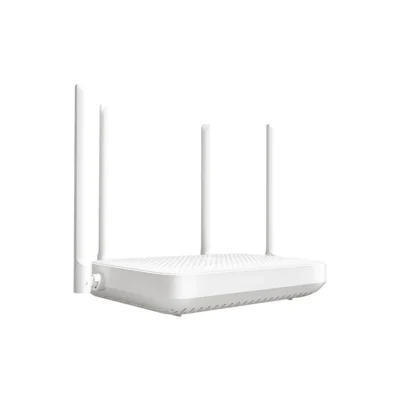
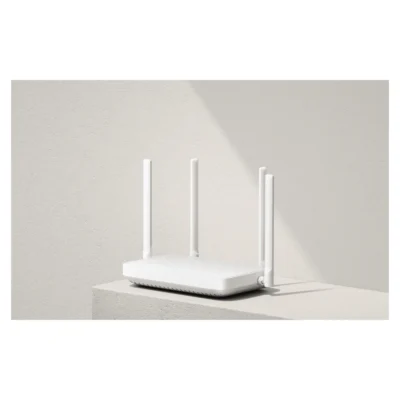
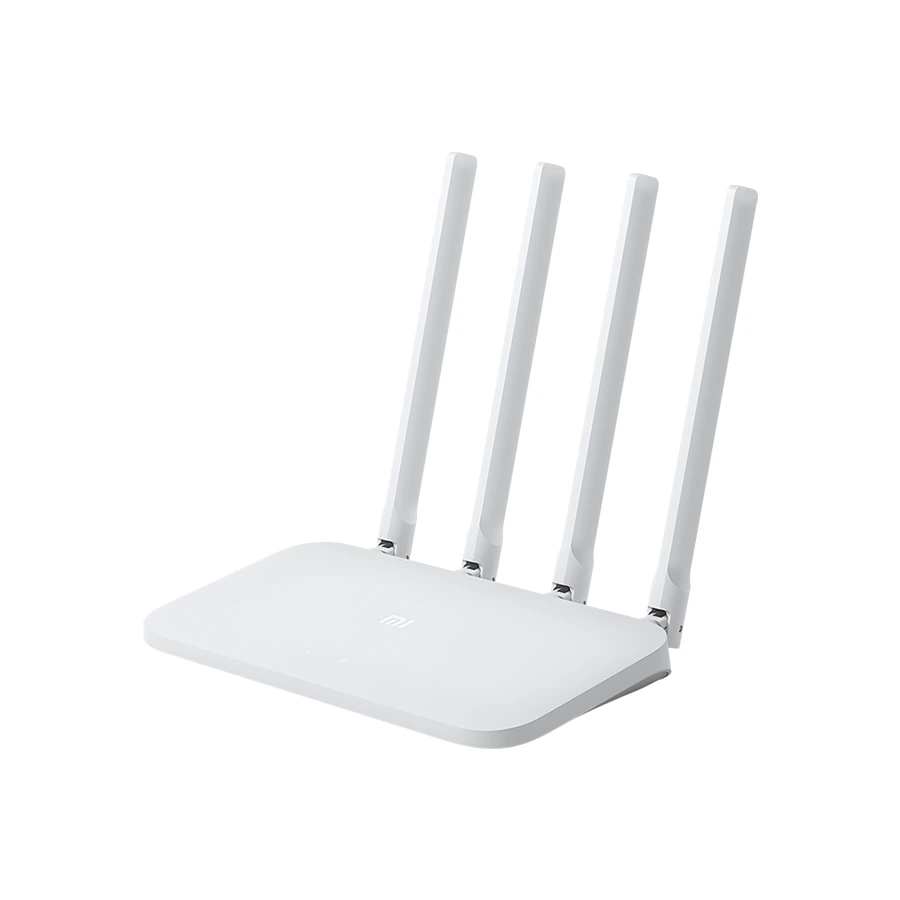
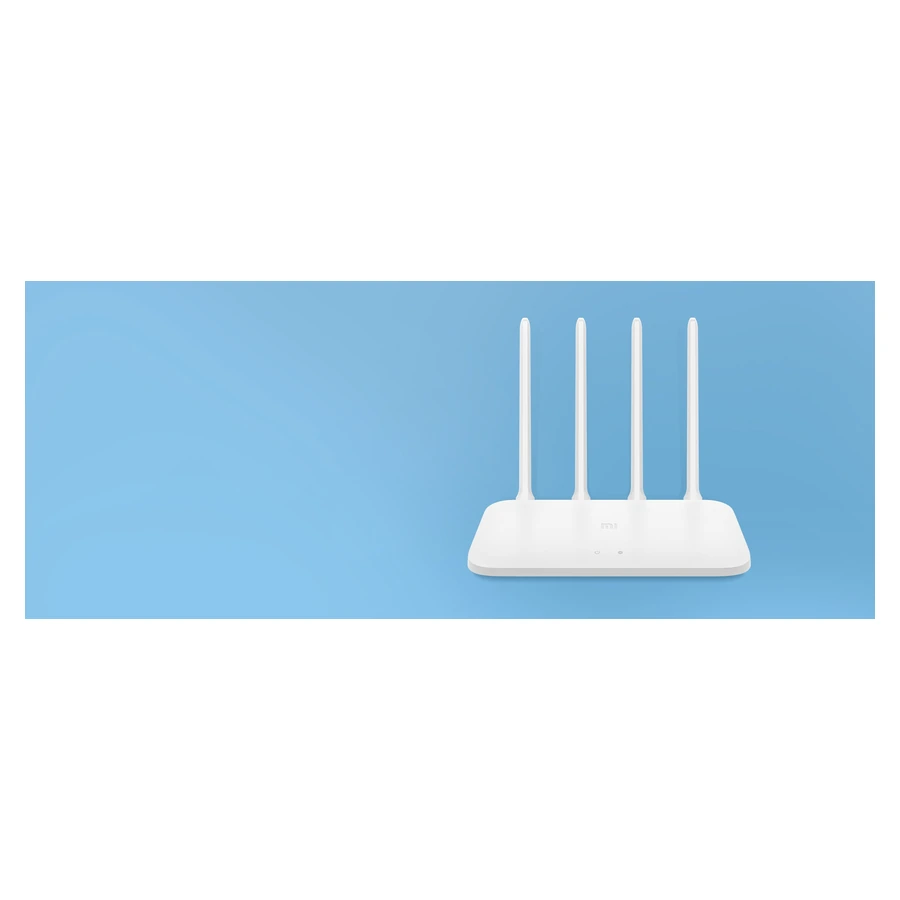
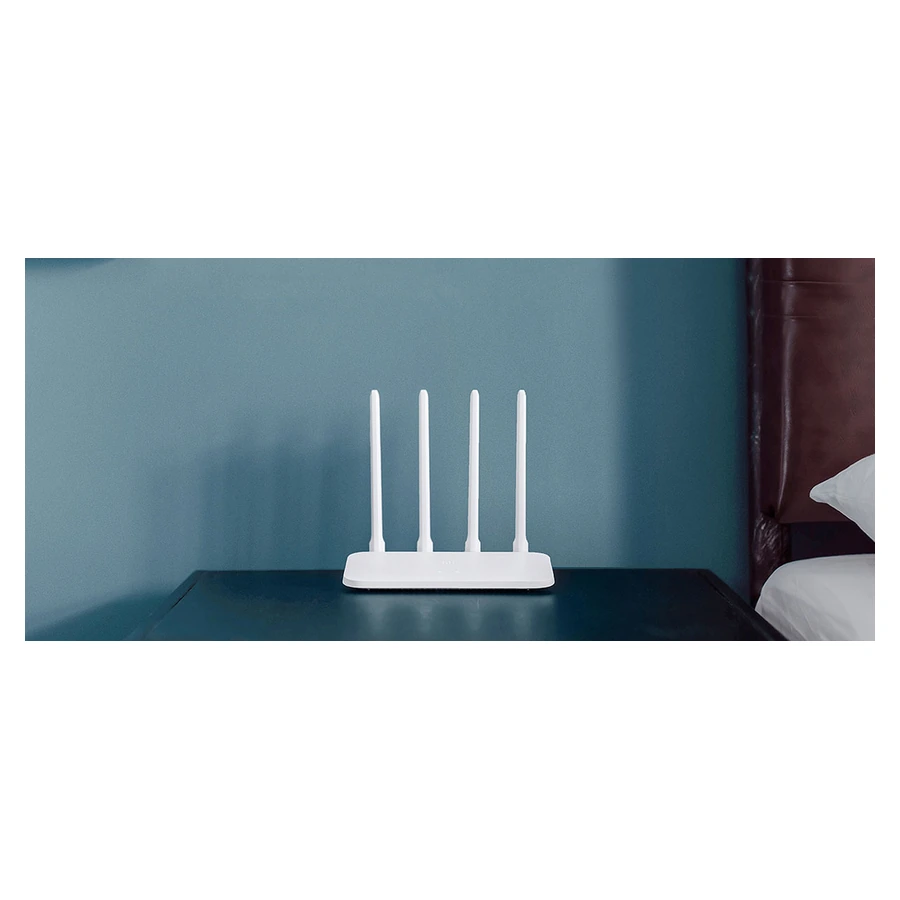
The Mi Router 4C is a white, single-band router for everyday home networking. Four external antennas help distribute its 2.4GHz signal, while the compact, matte plastic body fits neatly on a shelf or desk. It is suited to compatible devices that use the familiar 802.11b, 802.11g and 802.11n standards, including many phones, laptops and smart home products.
Its wireless radio uses a 2 × 2 configuration and offers a theoretical link rate of up to 300Mbps. The router does not support 5GHz Wi-Fi. As with other wireless equipment, the stated link rate is not a guaranteed internet download speed: your service plan, signal strength, interference and connected device capabilities all affect real performance. Keep the router away from large metal objects and consider a central, elevated position for more even coverage.
Wired connectivity consists of one adaptive 10/100Mbps WAN port and two adaptive 10/100Mbps LAN ports. Connect the WAN port to an appropriate upstream modem or network, then use the LAN ports for wired devices. These are Fast Ethernet connections, so this model is best chosen with their 100Mbps limit in mind. A separate power input, reset button and status indicators support normal installation and troubleshooting.
The MT7628DA processor works with 64MB of DDR2 memory and 16MB of flash storage. Mi Wi-Fi ROM, based on OpenWrt, provides router management through a web interface and supported Android or iOS software. Wireless controls include WPA-PSK and WPA2-PSK encryption, access lists and SSID hiding. Set a secure wireless password during installation and check that older devices can use the selected security settings.
Xiaomi describes a laboratory maximum of 64 connected devices and recommends 32 devices for practical use; the usable number depends on their activity and network demands. The package includes the Mi Router 4C, a power adapter and a user manual. It operates at 0–40°C and 10–90% relative humidity without condensation. Leave space around the body for natural heat dissipation and test coverage in the areas where the network will be used.